
Floor coating online marketing works best when homeowners can find your business, see your work, and request an estimate without friction. Start with a useful website and Google Business Profile, then connect reviews and prompt follow-up before paying for more traffic.
Start with the jobs you actually want
A busy phone isn’t the same as a healthy schedule. A crew that wants residential garage floors may not benefit from inquiries for jobs outside its service area or projects it doesn’t offer.
Write down your preferred work, the towns you serve, your available crew time, and the details you need before quoting. Use those answers to guide your pages, photos, forms, and ad budget. If commercial work is a fit, describe the types of spaces you handle without suggesting you take every project.
Ask recent customers what they searched for and what made them comfortable contacting you. Their words can reveal whether your site should explain garage floor coatings, concrete coatings, epoxy, or another service you actually provide. Use the language accurately rather than treating different systems as interchangeable.
Build a website that earns the next step
Give each main service a clear home
Your homepage should quickly say what you do, where you work, and how to request an estimate. A visitor should be able to find your phone number and form on a mobile screen without hunting through a menu.
Learn how SEO for epoxy contractors connects useful service pages with local searches. Give your most important services their own useful pages when you have enough distinct information to share. Explain the types of floors you coat, how your process works, and what a customer can expect during an estimate. Avoid promising a specific cure time or product performance unless it matches the system you actually install.
The guide to SEO for concrete coating companies explains how service wording can connect your work with the phrases customers use. For garage-focused crews, the garage floor coating SEO guide offers a closer look at that specific page and profile.
Show the work behind the finish
Use real photos from completed projects, with the customer’s permission. A close-up of a finished floor is useful, but a wider view helps someone understand the space and the size of the job. Add a short, accurate caption about the work completed and the general location when appropriate.
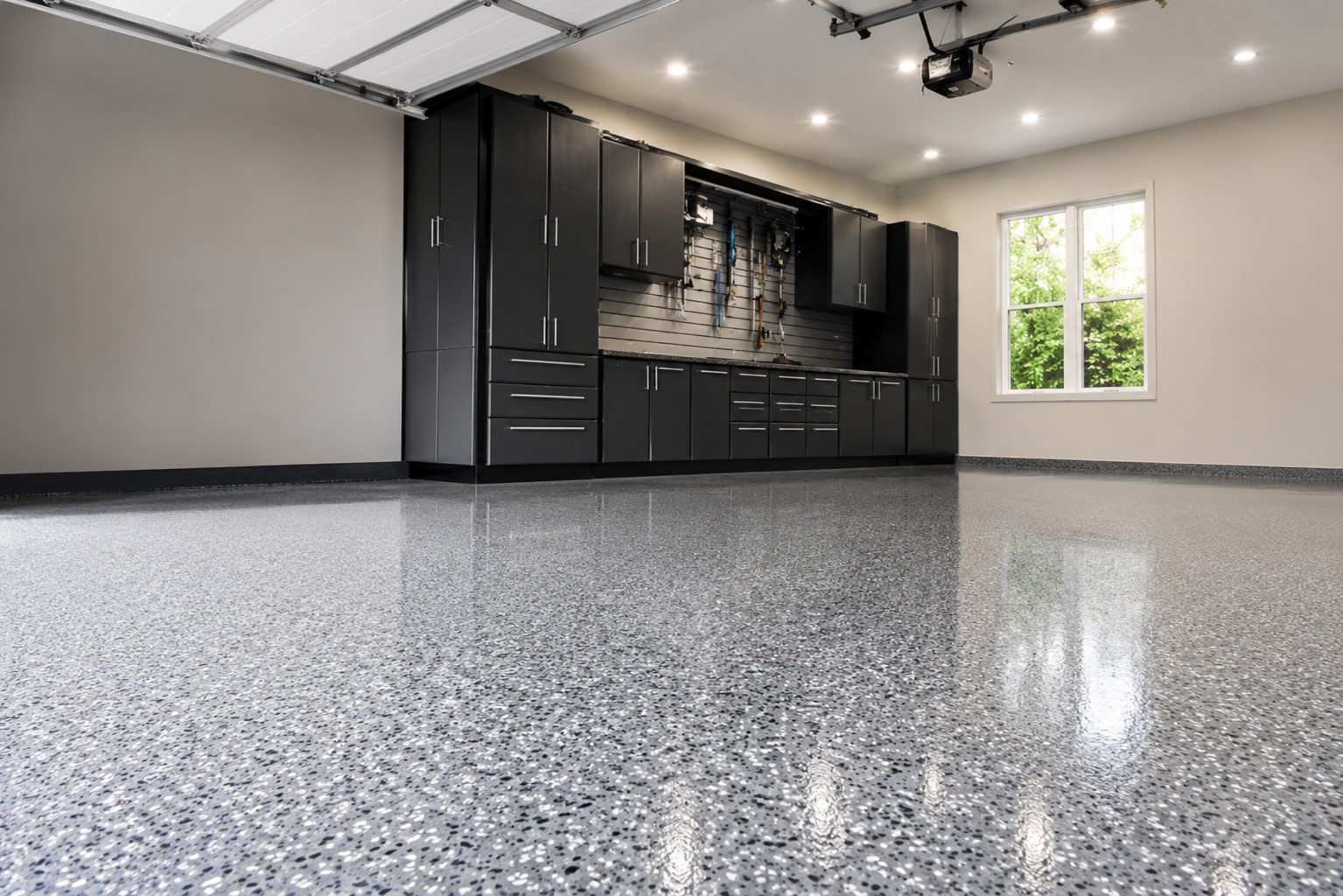
Answer practical questions next to the photos: What preparation was needed? What areas did you coat? What should a customer do before the crew arrives? Honest detail gives visitors a reason to trust your work without turning the page into a sales pitch.
Test your site like a customer. Open it on your phone, tap the call button, submit a test form, and confirm the request reaches the right person. If you can’t tell what happens after sending it, neither can a homeowner.
Make your Google profile useful
If your business is eligible for a Google Business Profile, keep its name, phone number, hours, and service information accurate. Choose the most relevant available category for your actual business, and check Google’s current rules before changing your address or service area.
Add real project photos and describe services you offer. Don’t add keywords to your business name unless they’re part of the real-world name, and don’t create locations where you don’t operate. The goal is an accurate profile a customer can use, not a trick to force a ranking.
The contractor Google profile guide covers the basics of keeping that information useful. Check it alongside your website so the services and contact details tell the same story. Search visibility varies by location, competition, and other factors, so no profile update can guarantee a map position.
Turn good work into credible reviews
Make asking for feedback part of your closeout process. Once a project is complete, send customers a direct review link and give them space to describe their own experience. Ask every customer consistently, not only the ones you expect to praise you.
Never offer an incentive for a Google review or ask for only positive reviews. Read Google’s current review policies before setting up automated messages, and respond professionally to both praise and criticism without sharing private customer details.
Keep a simple record of when the request went out and whether a response is needed. Reviews can help prospective customers understand what working with you is like, but you still need strong photos, a clear offer, and a reliable way to contact you.
Respond before a good inquiry goes cold
A quick acknowledgment can tell a homeowner their request arrived while you’re on a job. Set up a text or email that confirms receipt, gives a realistic next step, and makes it clear when a person will follow up. Check applicable consent and messaging rules before sending automated texts.
Keep the form short enough to use on a phone. Name, contact details, project location, and a brief description are a practical starting point. Ask about floor condition or approximate size later if collecting those details upfront makes the form harder to finish.
Assign one person to check new requests and missed calls. At the end of each week, look for requests that never received a personal response, then fix the handoff instead of assuming the system took care of it.
Choose channels based on the bottleneck
Floor coating online marketing doesn’t require every channel at once. Pick the weakest part of the path from search to booked job, fix it, and measure what changes before adding another expense.
| Channel | Useful for | Check before investing |
|---|---|---|
| Website and search | Helping local customers find and understand your work | Pages match real services and the form works |
| Google Business Profile | Helping eligible businesses show accurate local information | Details are correct and the profile follows Google rules |
| Paid search | Testing demand for a specific service and market | Budget, landing page, and response process are ready |
Organic search and a Google profile can support discovery over time, but neither comes with a promised timeline. Paid ads can put an offer in front of searchers sooner, yet clicks alone don’t tell you whether the jobs are a good fit.
The Google Ads for epoxy floor contractors guide explains how paid search fits a coating business. Before testing ads, make sure the landing page, phone, form, and response process work. Start in one market your crew can serve, define the services you want to advertise, and review actual inquiries before expanding. Keep the ad budget separate from any management fee.
Track the numbers that matter to your crew
Use a simple sheet or your existing customer system to record each inquiry’s date, source, service, location, estimate status, and whether it became a booked job. Ask how the customer found you, but treat the answer as a clue rather than perfect proof of attribution.
Separate inquiries that fit your service area and work from those that don’t. A campaign with fewer inquiries can still be a better choice if more of them become profitable jobs. Review the full path instead of judging a channel on clicks or the cost of a lead alone.
| Measure | What it tells you | What to check next |
|---|---|---|
| Qualified inquiries | Whether requests match your work and service area | Source, location, and service fit |
| Estimates booked | Whether inquiries move to a sales conversation | Response time and missed handoffs |
| Booked jobs and job costs | Whether work supports your business goals | Revenue, labor, materials, and marketing costs |
For a useful comparison, use the same date range and include the relevant costs. Revenue is not profit: materials, labor, travel, callbacks, and overhead still matter. If you don’t know a job’s final cost yet, mark it as pending instead of treating the sale value as take-home money.
A practical first month
Week one: choose the service and market you want to grow, then test your website and inquiry process. List any broken buttons, outdated services, missing photos, or unanswered requests. Fix the items that prevent a customer from contacting you first.
Week two: update the most relevant service page and check your eligible Google profile for accurate details. Add a few real project photos with useful descriptions. Ask the person who handles estimates what questions customers repeat, then answer those questions on the page.
Week three: establish a consistent review request and assign a person to respond to inquiries. Test your confirmation message and send a test form from a phone. Keep a manual backup in case a notification fails.
Week four: review inquiries, estimates, and booked jobs with your team. If demand is weak, check whether the page and profile reach the right audience. If requests arrive but estimates aren’t booked, inspect response time, service fit, and the clarity of your next step before buying more traffic.
Make floor coating online marketing work as a system
Start with one service, one market, and the handoff between your website and the person answering the phone. Once those pieces work, use your results to decide where more time or budget belongs.
If you’d rather have help, Sharp Line works with painting and epoxy contractors. Our Foundation Program includes a website, Google Business Profile optimization, lead follow-up, a review system, and on-site SEO for $497 per month, month to month. See the Foundation Program pricing for details. No lead volume is promised.
